

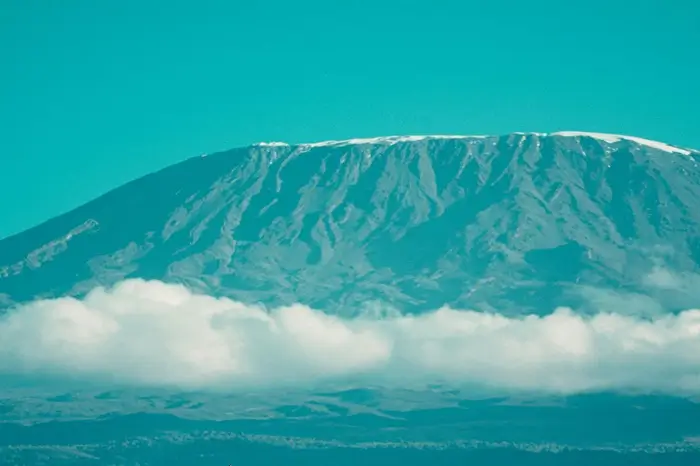
6 Days/ 5 Nights
$ 1900.00
The Shira Route is a less frequently traveled path that starts near Shira Ridge and closely resembles the Lemosho Route. In fact, Shira was the original trail, with Lemosho being a refined variation. While Shira offers diverse and scenic landscapes, it is generally considered less advantageous than Lemosho due to its high starting altitude, which is easily reached by vehicle. Climbers may experience mild altitude effects on the first day while camping at 11,800 feet.
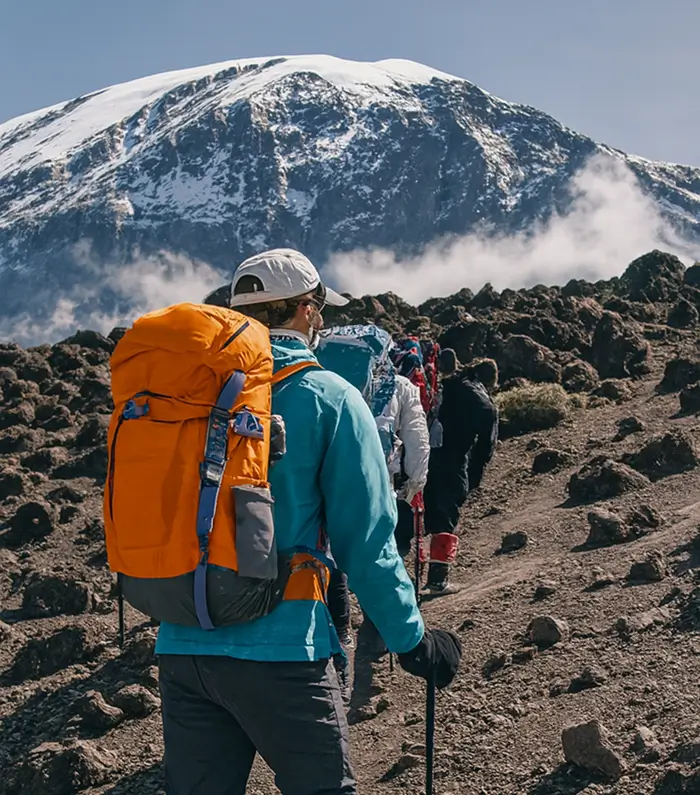
Approaching Kilimanjaro from the west, the route begins with a long drive from Moshi to Shira Ridge, bypassing the rainforest zone. The hike then starts along Shira Ridge and continues across the Shira Plateau from west to east along a relatively flat and pleasant trail. From there, it passes beneath Kilimanjaro’s Southern Ice Field along the Southern Circuit before reaching the summit via Barafu. The descent follows the Mweka Route.
Upon arrival at Kilimanjaro International Airport, you will be welcomed and transferred to Salinero B&B for an overnight stay. Your head guide will meet you for a briefing, gear check, and to assist with any equipment rentals you may require.
Elevation: 7,742 ft to 9,498 ft
Trek Duration: 3–4 hours
Distance: 6 km / 4 miles
Terrain: Rainforest
We leave Moshi and head to Londorossi Gate, a drive of roughly four hours, to complete the park entry procedures. From there, we continue by vehicle to the Lemosho starting point. Once at the trailhead, we begin our walk through pristine rainforest, following the path that leads to the first campsite.
Elevation:Â 9,498 ft to 11,500 ft
Hiking Time:Â 5-6 hours
Distance:Â 8 km | 5 miles
Habitat:Â Health
We continue on the trail leading out of the rain forest and into a savannah of tall grasses, heather and volcanic rock draped with lichen beards. As we ascend through the lush rolling hills and cross several streams, we reach the Shira Ridge before dropping gently down to Shira 1 Camp. Here we catch our first glimpse of Kibo across the plateau.
Elevation: 11,500 ft → 12,500 ft
Trek Duration: 3–4 hours
Distance Covered: 7 km / 4 miles
Habitat Type: Heathland
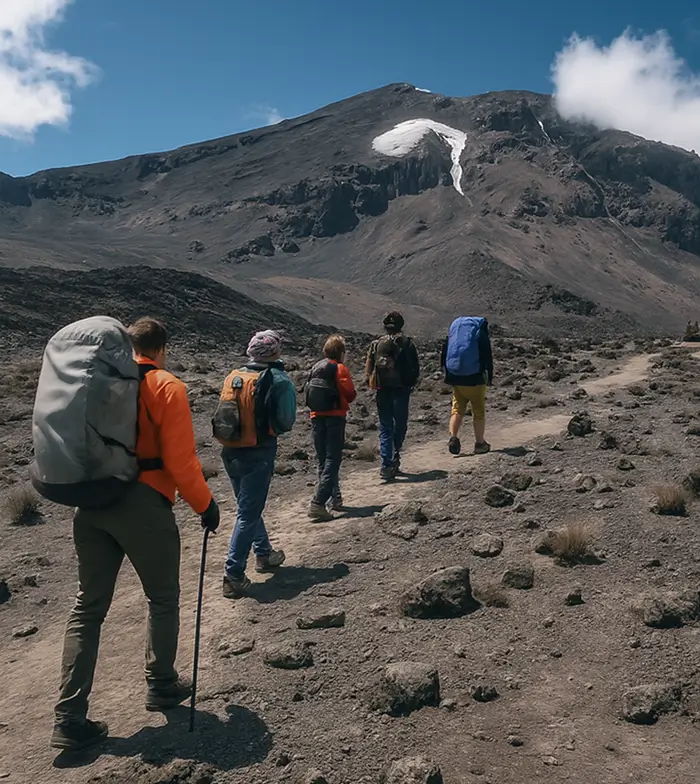
Today’s route takes us across the Shira Plateau with an easy walk through open moorland as we head towards Shira 2 Camp. This heath region is dotted with colorful wildflowers and the distinctive giant Senecio plants.
Shira 2 Camp → Lava Tower
Elevation gain: 12,500 ft → 15,190 ft
Hiking duration: 3–4 hours
Distance: 7 km / 4 miles
Terrain: Alpine Desert
Lava Tower → Moir Hut
Elevation change: 15,190 ft → 13,580 ft
Hiking duration: 2–3 hours
Distance: 6 km / 4 miles
Terrain: Alpine Desert
From Shira 2, we climb steadily east along a ridge, then veer southeast to reach the impressive Lava Tower — a 300-foot volcanic monolith. Leaving the main path here, we take a detour to Moir Hut, a quiet campsite located at the foot of the Lent Hills. The surrounding hills offer multiple short hikes, ideal for acclimatisation. The Shira Plateau itself ranks among the highest plateaus on the planet.
Elevation: 13,580 ft to 13,200 ft
Duration: 5–7 hours
Distance: 12 km / 7 miles
Terrain: Alpine Desert
You begin the day by leaving Moir Valley on a moderately steep ascent, then make your way up to the top of Lent Hills before rejoining the main track. The route passes over a rocky expanse and rolls gently up and down until you reach Buffalo Camp. Along this stretch you’ll be treated to wide-open views of the plains stretching north of Kilimanjaro, all the way to the Kenya–Tanzania border.
Elevation: 13,200 ft down to 12,700 ft
Trek Duration: 5–7 hours
Distance Covered: 8 km / 5 miles
Terrain Type: Heath zone
The ascent over Buffalo Ridge leads us into more barren terrain. Since few people take this path, it offers a raw, untouched mountain atmosphere. We continue through secluded valleys and along the northern face of Kilimanjaro until we reach Third Cave.
Pick-up and drop-off at Kilimanjaro International Airport
Transfer to the trailhead - entry gate to Kilimanjaro National Park
Pick-up at the exit from Kilimanjaro National Park and transfer to the hotel
All park fees collected by the Kilimanjaro National Park ( conservation fees, camping fees, crew fees, vehicle fee, rescue fee and all other fees collected by the Tanzania National Parks Authority).
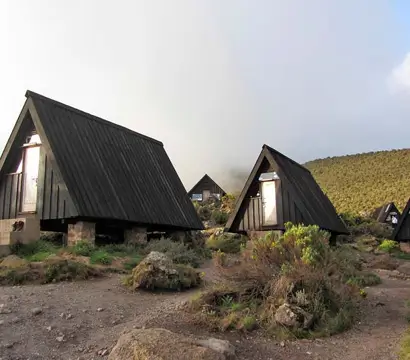
One night at Salinero hotel before the expedition and one night after; The hotels have everything for your comfortable stay - caring staff, nice rooms, reliable Wi-Fi, restaurant); Tented accommodation on Mount Kilimanjaro (modern, comfortable 4-Season tents North Face VE-25 or Almighty Kilimanjaro Tents).
Breakfast in the hotel before and after the hike
All meals on the hike. Our Kilimanjaro diet includes energy-rich and highly nutritious meals prepared by our professional high-altitude cooks. A typical diet on Kilimanjaro includes different soups, garnishes, several types of fish and meat, fresh fruit and vegetables; vegetarian/gluten-free/halal options are available at no extra cost; All drinks on the hike (coffee, tea, hot chocolate and water).
4-inch (10-cm) thick and comfortable sleeping mats
All group equipment (spacious and comfortable dining tent, camping table and chairs, crockery and cutlery)
Oxygen cylinders and oximeters
GPS-tracking service
Complete medical kits
Professional guides, licensed by Kilimanjaro National Park. All our guides are the holder of Wilderness First Responder or Wilderness First Aid certifications. All our guides have 10+years of successful mountaineering experience.
Dedicated support crew (assistant guides, camp master, porters, cooks, etc.)
Airline tickets
Visa fee
Personal gear rentals
Tips for the mountain crew
Mountaineering insurance
The best time to climb Mount Kilimanjaro is during the two trekking seasons: January to March and June to October. These periods offer favorable conditions for a safe and enjoyable climb.
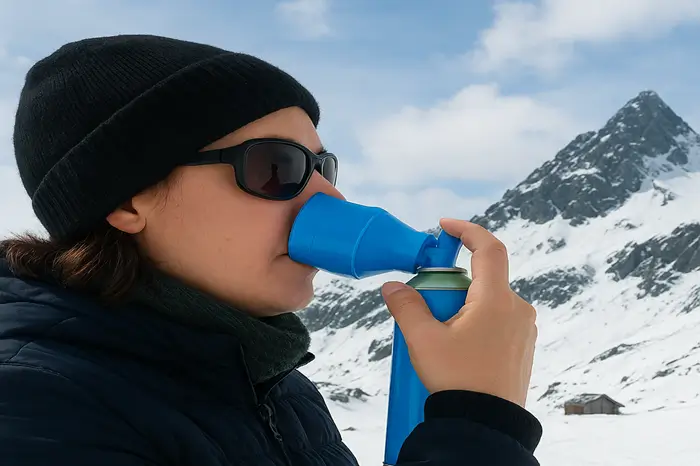
The percentage of oxygen in the atmosphere at sea level is about 21%. Before planning your Mount Kilimanjaro Trip, it is crucial to explore the cost of climbing Kilimanjaro.Â
For high-altitude treks like Kilimanjaro, proper nutrition is crucial for maintaining energy levels and ensuring a successful climb. You will need nutritious foods to gain proper energy.