5 Days/ 4 Nights
$ 1600.00
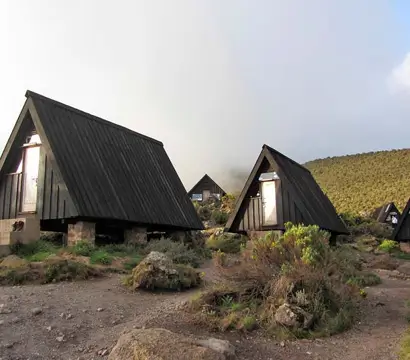
The Marangu route, often called the “Coca-Cola” route, is the oldest and most established path on Mount Kilimanjaro. Unlike other routes, it provides dormitory-style huts instead of requiring camping. Mandara and Kibo Huts each offer 60 bunk beds, while Horombo Hut has 120. While mattresses and pillows are provided, climbers still need to bring their own sleeping bags. The huts feature communal dining areas and basic restroom facilities, ranging from flushing toilets with running water at the lower huts to long-drop toilets and buckets of water at Kibo Hut.
Marangu is popular because it is considered the easiest route, thanks to its gentle slope and direct path. However, the relatively short duration can make altitude acclimatization challenging. The route approaches Kilimanjaro from the southeast. It is less scenic than other routes since climbers ascend and descend along the same trail, which also makes it the most crowded option.
Upon arrival at Kilimanjaro International Airport, you will be greeted and transferred to your overnight accommodation at Salinero Hotel or a similar B&B. Your head guide will meet you for a briefing, gear inspection, and assist you in hiring any additional equipment you may need.
Elevation: 1,830 m / 6,000 ft to 2,740 m / 9,000 ft
From Moshi, a one-hour drive takes you through the village of Marangu to the Kilimanjaro National Park gate. While we wait for our permits to be processed, you can observe the busy preparations of other trekking teams getting ready for their climb. As you trek through the lush rainforest and winding trails, your guide will share insights about the local plants, animals, and wildlife. At these lower elevations, the paths can be muddy and slippery, so trekking poles and gaiters are strongly recommended.
Elevation: 2,740 m / 9,000 ft to 3,690 m / 12,100 ft
After a restful night and a filling breakfast, we leave the rainforest behind and follow an uphill trail through heathland, spotting giant lobelias and groundsels along the way. The path then opens into moorlands dominated by low shrubs. Midway, we pause for lunch while taking in breathtaking views of Mawenzi. By late afternoon, we reach Horombo Huts, set beneath the impressive Kibo Summit, as temperatures start to fall.
Elevation: 3,690 m / 12,100 ft to 4,695 m / 15,400 ft
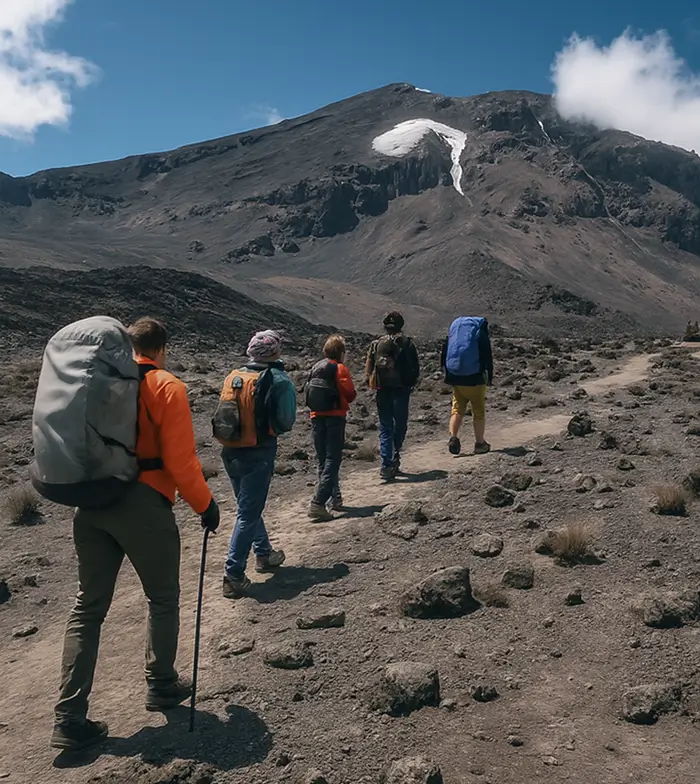
After breakfast, the trek continues through the thinning heathland, gradually transforming into a stark moonscape as you approach the expansive saddle between Mawenzi and Kibo. You’ll pause here for lunch, and later, as you traverse this unexpectedly vast saddle, you’ll get a clear view of the Kibo summit climb that you’ll begin in just a few hours.
Elevation: 4,695 m / 15,400 ft → 5,895 m / 19,340 ft
Descent: 3,690 m / 12,100 ft
The day starts with an early wake-up between midnight and 2 a.m., building excitement and preparing you for the most mentally and physically demanding section of the trek.
We begin our ascent toward the summit in a switchback pattern, focusing on staying warm and motivated by the incredible sense of achievement ahead. Climbing over loose scree and occasional snow, we make our way to Gillman’s Point on the crater rim, where a short break rewards you with a breathtaking sunrise. Faster climbers might catch this view from the summit itself. From Gillman’s Point, the final hour to Uhuru Peak may involve traversing snowy terrain.
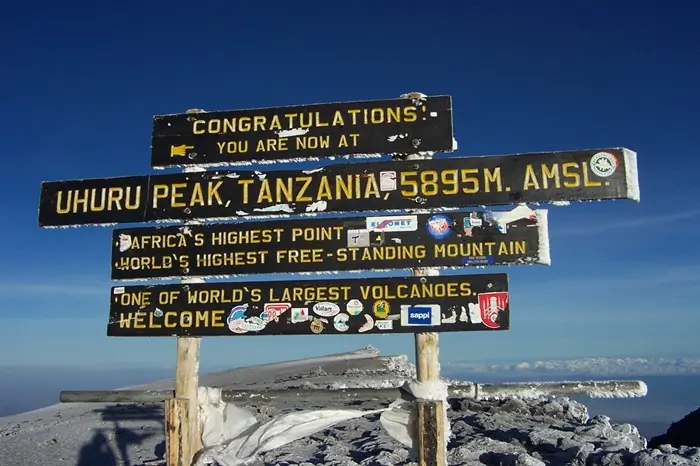
Step by step, you reach Uhuru Peak, the highest point on Mount Kilimanjaro and the entire African continent! Take a moment to celebrate, capture photos, and savor this remarkable achievement.
The descent begins toward Mweka Camp, with a stop at Barafu for lunch and a brief rest. Trekking poles and gaiters are highly recommended for navigating loose gravel and volcanic ash. After the descent, you can enjoy a well-earned rest and your final evening on the mountain. Overnight at Mweka Camp.

Elevation: 3,690 m / 12,100 ft down to 1,830 m / 6,000 ft
After breakfast, take part in a warm ceremony to celebrate your achievement and share moments of camaraderie with your crew before bidding them farewell. The descent continues, with a lunch stop at the Mandara Huts. Don’t forget to tip your guides, porters, and cooks as you part ways. You’ll return to the Marangu Park Gate, where you will receive your summit certificates. The lower trail is steep, wet, and muddy due to warmer weather, so trekking poles and gaiters are strongly recommended. From the gate, a vehicle will transfer you back to your hotel in Moshi, approximately a 45-minute drive.
Pick-up and drop-off at Kilimanjaro International Airport
Transfer to the trailhead - entry gate to Kilimanjaro National Park
Pick-up at the exit from Kilimanjaro National Park and transfer to the hotel
All park fees collected by the Kilimanjaro National Park ( conservation fees, camping fees, crew fees, vehicle fee, rescue fee and all other fees collected by the Tanzania National Parks Authority).
One night at Salinero hotel before the expedition and one night after; The hotels have everything for your comfortable stay - caring staff, nice rooms, reliable Wi-Fi, restaurant); Tented accommodation on Mount Kilimanjaro (modern, comfortable 4-Season tents North Face VE-25 or Almighty Kilimanjaro Tents).
Breakfast in the hotel before and after the hike
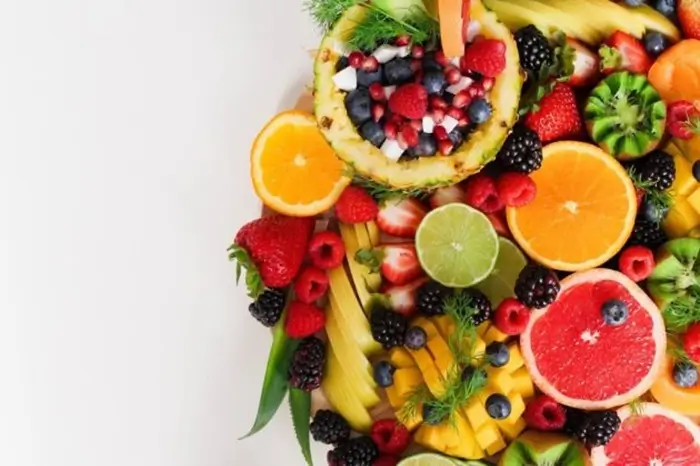
All meals on the hike. Our Kilimanjaro diet includes energy-rich and highly nutritious meals prepared by our professional high-altitude cooks. A typical diet on Kilimanjaro includes different soups, garnishes, several types of fish and meat, fresh fruit and vegetables; vegetarian/gluten-free/halal options are available at no extra cost; All drinks on the hike (coffee, tea, hot chocolate and water).
4-inch (10-cm) thick and comfortable sleeping mats
All group equipment (spacious and comfortable dining tent, camping table and chairs, crockery and cutlery)
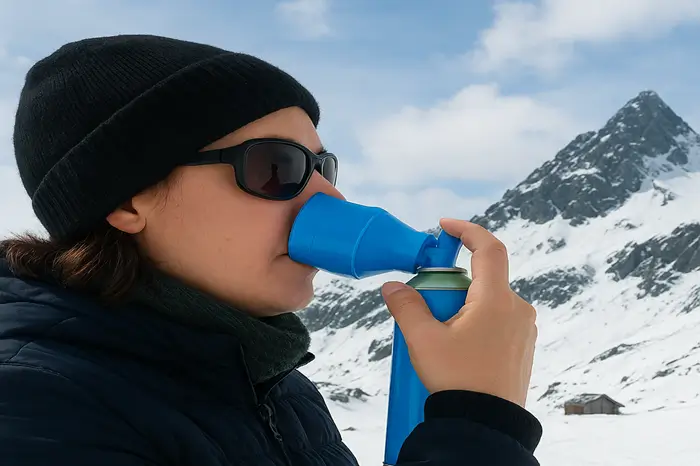
Oxygen cylinders and oximeters
GPS-tracking service
Complete medical kits
Professional guides, licensed by Kilimanjaro National Park. All our guides are the holder of Wilderness First Responder or Wilderness First Aid certifications. All our guides have 10+years of successful mountaineering experience.
Dedicated support crew (assistant guides, camp master, porters, cooks, etc.)
Airline tickets
Visa fee
Personal gear rentals
Tips for the mountain crew
Mountaineering insurance
The best time to climb Mount Kilimanjaro is during the two trekking seasons: January to March and June to October. These periods offer favorable conditions for a safe and enjoyable climb.
The percentage of oxygen in the atmosphere at sea level is about 21%. Before planning your Mount Kilimanjaro Trip, it is crucial to explore the cost of climbing Kilimanjaro.
For high-altitude treks like Kilimanjaro, proper nutrition is crucial for maintaining energy levels and ensuring a successful climb. You will need nutritious foods to gain proper energy.