

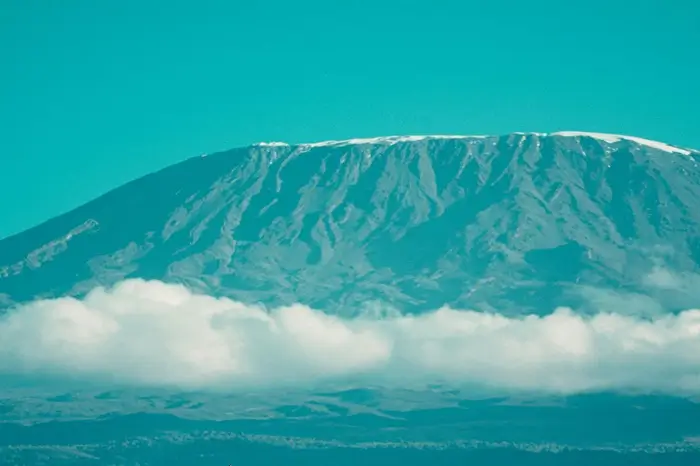
7 Days/ 6 Nights
$ 2000.00
The Machame route, often called the “Whiskey” route, is the most frequented path up Kilimanjaro, renowned for its stunning scenery. Despite its beauty, the trail is steep, demanding, and challenging, especially because of its shorter itinerary. As such, it is best suited for experienced hikers or those comfortable with high-altitude trekking and backpacking.
This route approaches Kilimanjaro from the south, starting with a short transfer from Moshi to Machame Gate. From there, hikers trek through the rainforest to reach Shira Plateau, a point where several Kilimanjaro routes converge. The trail then heads east, skirting beneath the Southern Ice Field along the Southern Circuit, before reaching the summit at Barafu. The descent follows the Mweka route.
Upon arrival at Kilimanjaro International Airport, you will be greeted and transferred to overnight accommodation at Salinero B&B. Your head guide will conduct a briefing, perform a gear check, and assist with hiring any necessary equipment.
Elevation: 1811m / 5,942ft → 3021m / 9,911ft
Total Ascent: 1210m
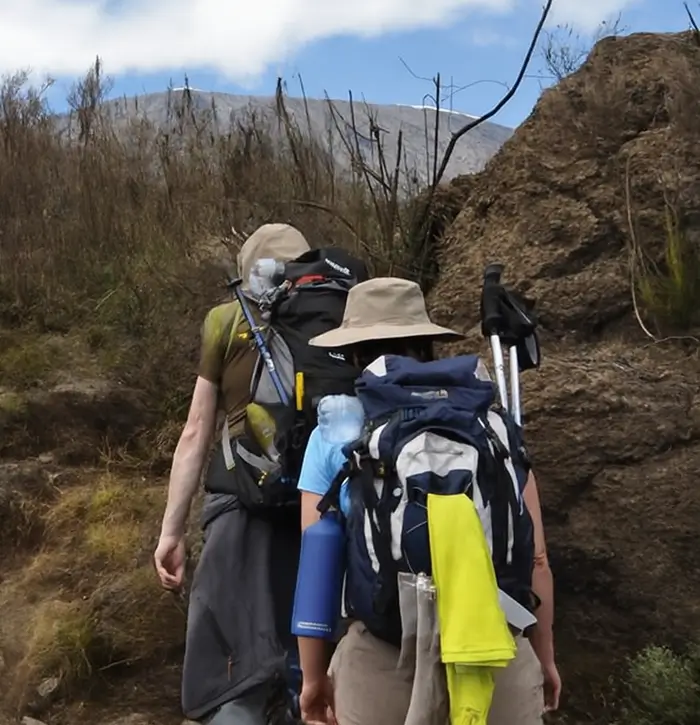
From Moshi, a 45-minute drive leads through Machame Village to the Kilimanjaro National Park Gate. While permits are being processed, you can observe the busy preparations of other trekking teams. The hike begins through lush rainforest with winding paths as your guide shares insights about the region’s plants, animals, and ecosystem. Because the lower sections of the trail can be wet and slippery, gaiters and trekking poles are strongly recommended.
Elevation: 3021m / 9,911ft → 3839m / 12,595ft
Ascent: 818m
After a restful night and a filling breakfast, the trail leaves the rainforest and climbs steadily, traversing the valley along a steep, rocky ridge. The path then veers west into a river gorge before reaching the Shira campsite. Expect cooler temperatures from this point onward.
Elevation: 3839m / 12,595ft → 3986m / 13,077ft
Total Ascent: 147m
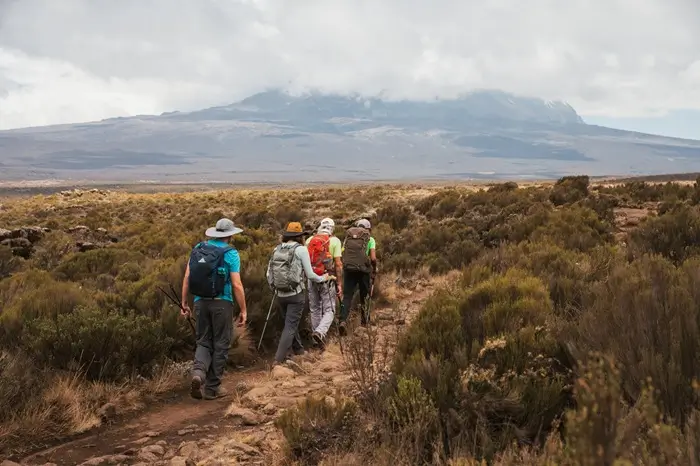
Even though you finish the day at nearly the same height you started, this stage plays a crucial role in acclimatizing to the altitude. From the Shira Plateau, the trail climbs east along a ridge and passes the junction heading toward Kibo Peak. We then veer southeast toward the Lava Tower — also known as the “Shark’s Tooth” — at 4650m / 15,250ft. Shortly past the tower, a junction branches off toward Arrow Glacier. From there, the route descends to Barranco Camp for the night.
Elevation: 3986m / 13,077ft → 4034m / 13,235ft
Ascent: 48m
After breakfast, the climb resumes along a steep ridge leading to the thrilling Barranco Wall, then descends into the Karanga Valley and meets the junction that links with the Mweka Trail. This day offers an incredible view of your support team showcasing their skill and strength as they move swiftly across the wall with remarkable ease. Overnight stay at Karanga Camp.
Elevation: 4034m / 13,235ft → 4662m / 15,295ft
Total Ascent: 628m
The trail climbs steadily toward Barafu Camp. Upon arrival, you will have officially completed the South Circuit, which provides stunning and varied perspectives of the summit from multiple vantage points. After an early dinner, you will rest in preparation for the summit attempt later that night. Overnight stay at Barafu Camp.
Elevation: 4662m / 15,295ft → 5895m / 19,341ft
Ascent Gained: 1233m
Then Descend To: 3106m / 10,190ft
Total Descent: 2789m
As the big day arrives, we wake between midnight and 2 a.m. — the most demanding segment of the expedition begins, testing both physical endurance and mental strength.
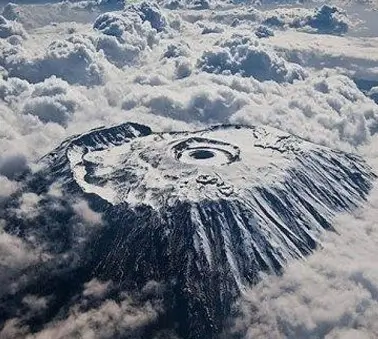
The climb to the summit takes us between the Rebmann and Ratzel glaciers, fighting the cold while staying focused on the achievement ahead. A long series of switchbacks in a northwesterly direction leads through deep scree to Stella Point on the crater rim, where a spectacular sunrise rewards your quick rest. Stronger climbers might even witness sunrise from the very summit. The final hour to Uhuru Peak is usually through snow.
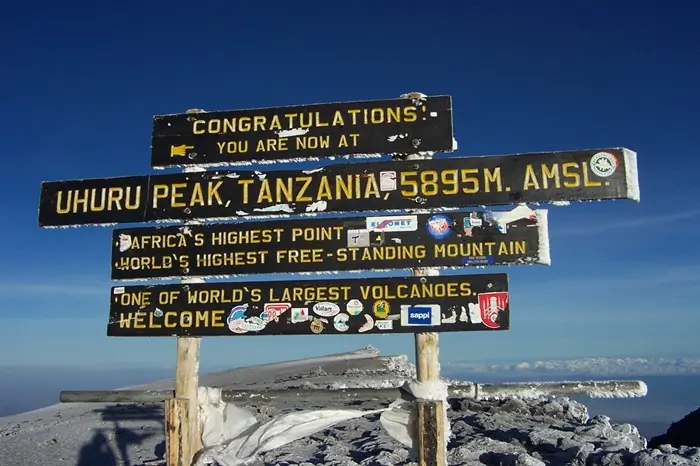
At last, you stand on Uhuru Peak — the roof of Africa and the highest point on Kilimanjaro. Celebrate, take photos, and soak in the moment.
Afterward, we begin the steep descent to Mweka Camp, pausing at Barafu for lunch and a short rest. Because of the loose ash and gravel, gaiters and trekking poles are highly recommended. A well-earned night of rest awaits at Mweka Camp — your final night on the mountain.
Elevation: 3106m / 10,190ft → 1633m / 5,358ft
Total Descent: 1473m
After breakfast and a warm farewell ceremony with your trekking team, the final descent begins toward the Mweka Park Gate, where your summit certificates will be issued. As you drop to a lower elevation, the temperature rises significantly and the trail becomes slippery, muddy, and steep — gaiters and trekking poles are strongly advised.
From the gate, a vehicle will be waiting in Mweka village to transfer you back to your hotel in Moshi, which takes roughly 30 minutes.
Pick-up and drop-off at Kilimanjaro International Airport
Transfer to the trailhead - entry gate to Kilimanjaro National Park
Pick-up at the exit from Kilimanjaro National Park and transfer to the hotel
All park fees collected by the Kilimanjaro National Park ( conservation fees, camping fees, crew fees, vehicle fee, rescue fee and all other fees collected by the Tanzania National Parks Authority).
One night at Salinero hotel before the expedition and one night after; The hotels have everything for your comfortable stay - caring staff, nice rooms, reliable Wi-Fi, restaurant); Tented accommodation on Mount Kilimanjaro (modern, comfortable 4-Season tents North Face VE-25 or Almighty Kilimanjaro Tents).
Breakfast in the hotel before and after the hike
All meals on the hike. Our Kilimanjaro diet includes energy-rich and highly nutritious meals prepared by our professional high-altitude cooks. A typical diet on Kilimanjaro includes different soups, garnishes, several types of fish and meat, fresh fruit and vegetables; vegetarian/gluten-free/halal options are available at no extra cost; All drinks on the hike (coffee, tea, hot chocolate and water).
4-inch (10-cm) thick and comfortable sleeping mats
All group equipment (spacious and comfortable dining tent, camping table and chairs, crockery and cutlery)
Oxygen cylinders and oximeters
GPS-tracking service
Complete medical kits
Professional guides, licensed by Kilimanjaro National Park. All our guides are the holder of Wilderness First Responder or Wilderness First Aid certifications. All our guides have 10+years of successful mountaineering experience.
Dedicated support crew (assistant guides, camp master, porters, cooks, etc.)
Airline tickets
Visa fee
Personal gear rentals
Tips for the mountain crew
Mountaineering insurance
The best time to climb Mount Kilimanjaro is during the two trekking seasons: January to March and June to October. These periods offer favorable conditions for a safe and enjoyable climb.
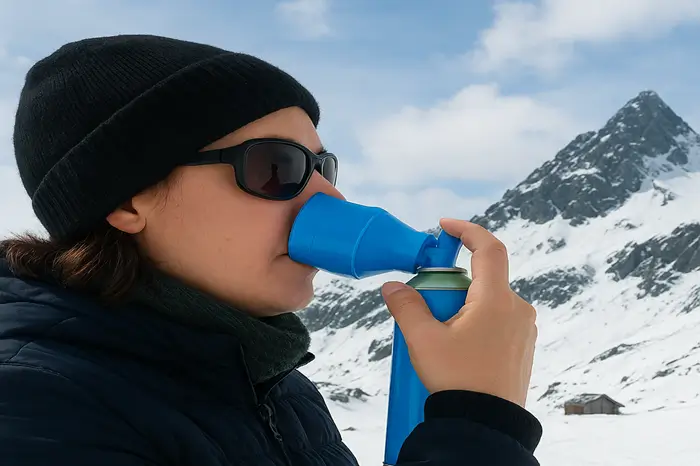
The percentage of oxygen in the atmosphere at sea level is about 21%. Before planning your Mount Kilimanjaro Trip, it is crucial to explore the cost of climbing Kilimanjaro.

For high-altitude treks like Kilimanjaro, proper nutrition is crucial for maintaining energy levels and ensuring a successful climb. You will need nutritious foods to gain proper energy.