7 Days Rongai Route

7 Days Rongai Route

Itinerary Overview

timetable
Duration

7 Days/ 6 Nights

Price

$ 2300.00

7 Days Rongai Route

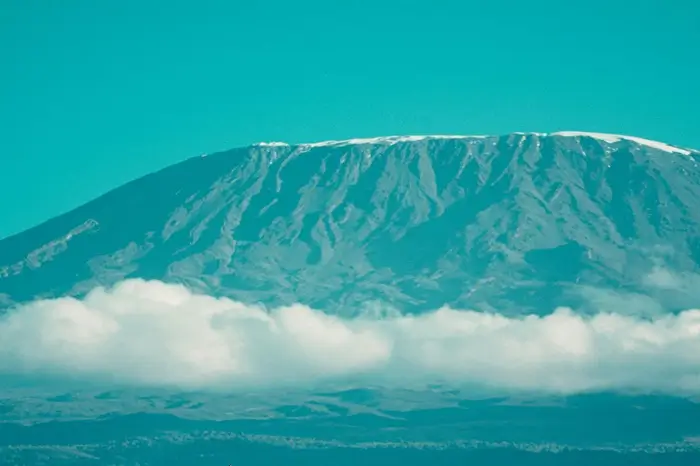
The Rongai route is the only Kilimanjaro path that approaches from the northern side, near the Kenya border. While it has been gaining traction over the years, it still remains relatively quiet compared to other trails. Its gradual incline makes it a great alternative to the busy Marangu route, and it is particularly suitable for trekkers seeking a more secluded experience or climbing during the rainy season, as the northern face receives less rainfall. The Rongai trail is considered moderately challenging and is an excellent choice, especially for climbers with limited backpacking experience.

Although the landscapes are less diverse than the western approaches, Rongai compensates with its untouched wilderness along nearly the entire stretch. The descent is done on the Marangu route.

Upon landing at Kilimanjaro International Airport, a transfer will take you to your overnight stay at Salinero B&B. There, your lead guide will conduct a briefing, check your gear, and assist you in renting any additional equipment if needed.

Book Now

Itinerary Details

Day 01 - Nale Muru Gate – Simba Camp: 7k /4.3mi | 3-4 Hrs | Rainforest

Elevation: 1997m / 6,552ft → 2635m / 8,645ft
Altitude Gain: 638m

Leaving Moshi, a 4–5 hour drive passes through lush coffee farms and the village of Nale Muru en route to the Kilimanjaro National Park Gate. After arriving, we wait for permit processing while observing the lively preparations of other trekking teams. The trail winds through scenic woodlands, and your guide shares insights about the native plants, animals, and overall ecosystem along the way. Simba Camp is located close to the first cave on the edge of the moorland zone, offering sweeping views over the Kenyan plains.

Elevation: 2635m / 8,645ft → 3487m / 11,440ft
Altitude Gained: 852m

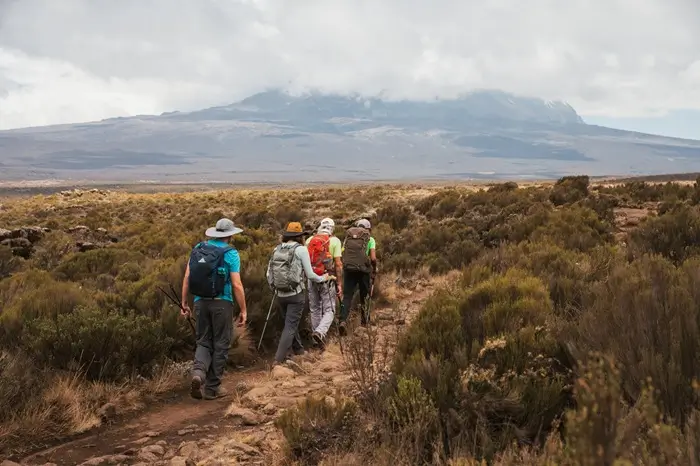
After a restful night and a nourishing breakfast, the trek continues across moorland, steadily ascending. Along the way, you’ll enjoy spectacular views of Kibo and catch your first glimpse of the ice fields along the Eastern Crater rim. The moorland’s low shrubs thin out as you approach the Second Cave, and temperatures start to drop.

Elevation: 3487m / 11,440ft → 3675m / 12,057ft

Altitude gained: 188m

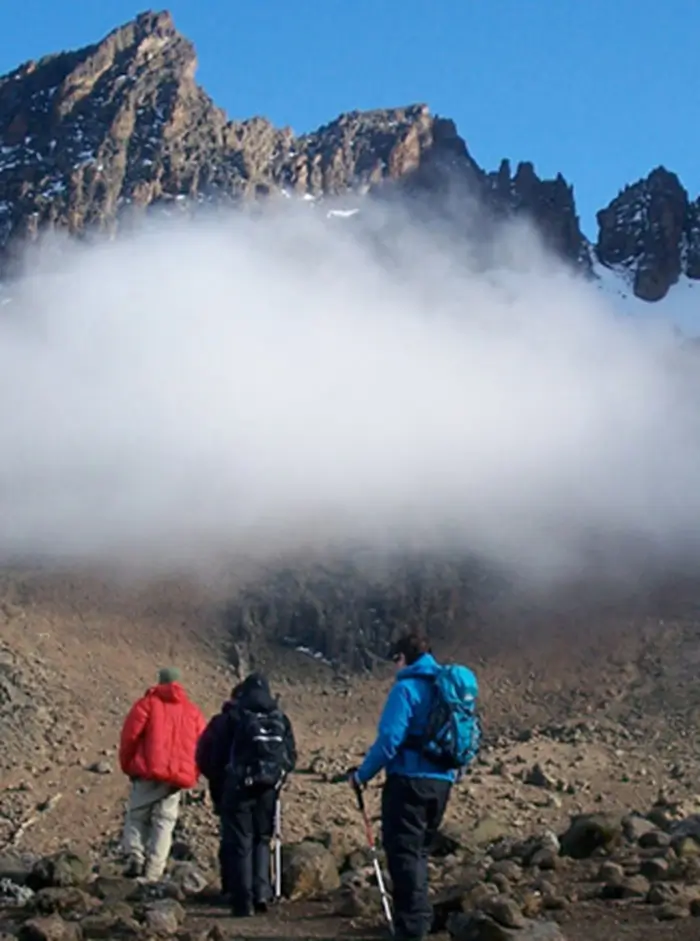
After breakfast and packing, the hike continues with a steady climb through the Moorland, heading toward the rugged Mawenzi peaks. Though a relatively short day on the trail, it brings you closer to the eastern ice fields, whose striking beauty captures your attention along the way. Be mindful of your body and alert your guide to any signs of altitude sickness.

Elevation: 3487m/11440ft to 4302m/14114ft

Altitude gained: 627m

A short but steep climb up grassy slopes is rewarded by superb views. Leave the vegetation behind shortly before reaching the next camp at Mawenzi Tarn, spectacularly situated in a cirque directly beneath the towering spires of Mawenzi. The afternoon will be free to rest or explore the surrounding area as an aid to acclimatization.

If you are spending an extra day on the mountain, you will camp for two nights here. You can hike up and around Mawenzi for your acclimatization hike.

Elevation: 4302m/14,114ft to 4714m/15,466ft

Altitude gained: 412m

Cross the lunar desert of the ‘Saddle’ between Mawenzi and Kibo to reach Kibo campsite at the bottom of the Kibo crater wall. The remainder of the day is spent resting in preparation for the final ascent on Summit Night.

Elevation: 4302m/14,114ft to 5895m/19,341ft

Altitude gained: 721m

Descent to 3721m/12,208ft

Altitude lost: 2174m

Excitement is building as morning comes with an early start between midnight and 2 a.m. This is the most mentally and physically challenging portion of the trek.

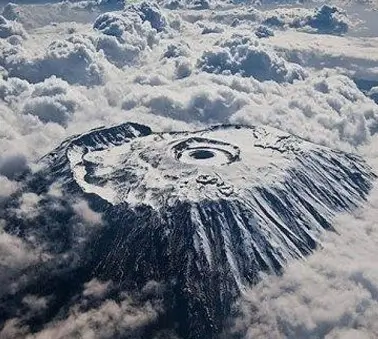
We continue our way to the summit between the Rebmann and Ratzel glaciers trying to stay warm and focused of the amazing sense of accomplishment that lies ahead. With a switchback motion in a northwesterly direction and ascend through heavy scree towards Stella Point on the crater rim. You will be rewarded with the most magnificent sunrise during your short rest here. Faster hikers may view the sunrise from the summit. From here on your remaining 1 hour ascent to Uhuru Peak, you are likely to encounter snow all the way.

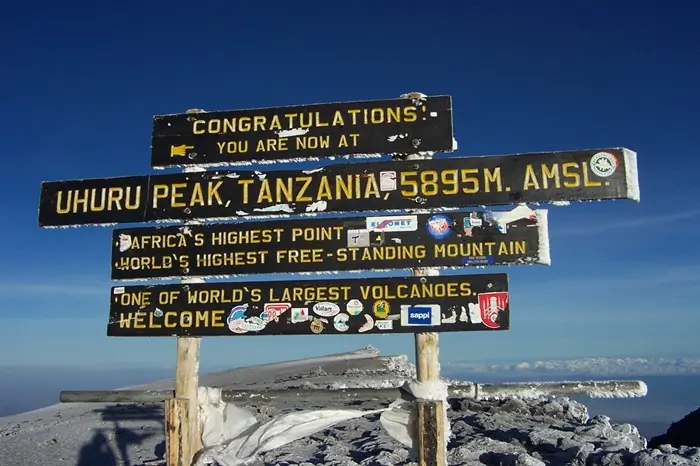
Congratulations, one step at a time you have now reached Uhuru Peak the highest point on Mount Kilimanjaro and the entire continent of Africa!

After photos, celebrations and maybe a few tears of joy we take a few moments to enjoy this incredible accomplishment. We begin our steep descent down to Mweka Camp, stopping at Barafu for lunch and a very brief rest. We strongly recommend gaiters and trekking poles for uncooperative loose gravel and volcano ash terrain. Well-deserved rest awaits you to enjoy your last evening on the mountain. Overnight Mweka Camp.


Elevation: 3721m / 12,208ft → 1905m / 6,250ft
Total Descent: 1,816m

After breakfast and a warm farewell ceremony celebrating your crew and the journey, the descent begins. The trail includes a stop at Mandara Huts for lunch. Be sure to tip your guides, cooks, and porters as you part ways. You continue down to Marangu Park Gate to receive your summit certificates. With the weather considerably warmer, the path is wet, muddy, and steep, so gaiters and trekking poles are strongly recommended. From the gate, a vehicle will be ready to take you back to your hotel in Moshi — roughly a 45-minute drive.

Includes

Pick-up and drop-off at Kilimanjaro International Airport

Transfer to the trailhead - entry gate to Kilimanjaro National Park

Pick-up at the exit from Kilimanjaro National Park and transfer to the hotel

All park fees collected by the Kilimanjaro National Park ( conservation fees, camping fees, crew fees, vehicle fee, rescue fee and all other fees collected by the Tanzania National Parks Authority).

One night at Salinero hotel before the expedition and one night after; The hotels have everything for your comfortable stay - caring staff, nice rooms, reliable Wi-Fi, restaurant); Tented accommodation on Mount Kilimanjaro (modern, comfortable 4-Season tents North Face VE-25 or Almighty Kilimanjaro Tents).

Breakfast in the hotel before and after the hike

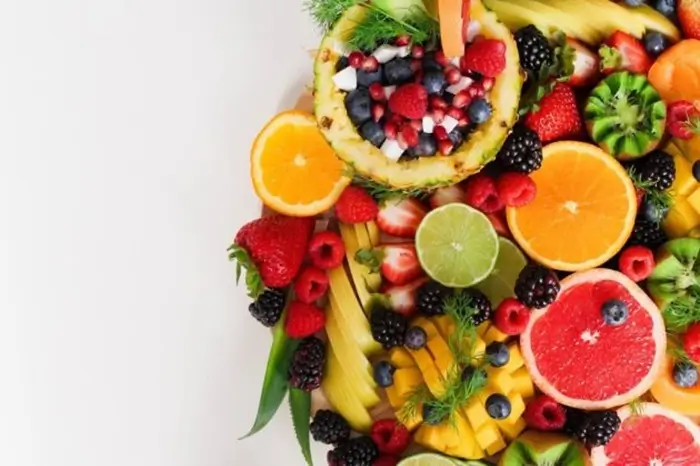
All meals on the hike. Our Kilimanjaro diet includes energy-rich and highly nutritious meals prepared by our professional high-altitude cooks. A typical diet on Kilimanjaro includes different soups, garnishes, several types of fish and meat, fresh fruit and vegetables; vegetarian/gluten-free/halal options are available at no extra cost; All drinks on the hike (coffee, tea, hot chocolate and water).

4-inch (10-cm) thick and comfortable sleeping mats

All group equipment (spacious and comfortable dining tent, camping table and chairs, crockery and cutlery)

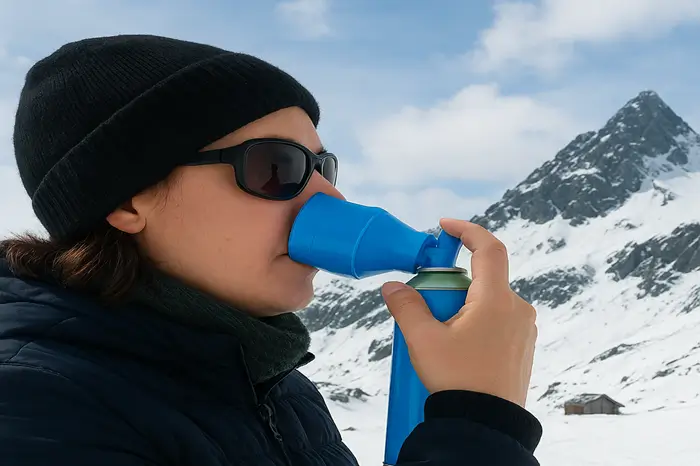
Oxygen cylinders and oximeters

GPS-tracking service

Complete medical kits

Professional guides, licensed by Kilimanjaro National Park. All our guides are the holder of Wilderness First Responder or Wilderness First Aid certifications. All our guides have 10+years of successful mountaineering experience.

Dedicated support crew (assistant guides, camp master, porters, cooks, etc.)

Excludes

Airline tickets

Visa fee

Personal gear rentals

Tips for the mountain crew

Mountaineering insurance

KILIMANJARO
Other Popular Packages

10 Days Northern Circuit Crater Route

Crater Camp is a unique place. At 18,865 feet above sea level...
Explore
Image description

9 Days Northern Circuit Route

The Northern Circuit route is one of the best routes on Kilimanjaro, offering nearly 360 degrees of beautiful...
Explore
Image description

6 Days Machame Route

The Machame route, also known as the “Whiskey” route, is the most popular route on Kilimanjaro...
Explore
Image description
travel guide
Kilimanjaro Travel Guide
Best Time to Climb Kilimanjaro

Best Time To Climb Kilimanjaro

The best time to climb Mount Kilimanjaro is during the two trekking seasons: January to March and June to October. These periods offer favorable conditions for a safe and enjoyable climb.

Know More
Kilimanjaro Altitude Sickness

Kilimanjaro Altitude Sickness

The percentage of oxygen in the atmosphere at sea level is about 21%. Before planning your Mount Kilimanjaro Trip, it is crucial to explore the cost of climbing Kilimanjaro. 

Know More
Kilimanjaro Foods

Kilimanjaro Foods

For high-altitude treks like Kilimanjaro, proper nutrition is crucial for maintaining energy levels and ensuring a successful climb. You will need nutritious foods to gain proper energy.

Know More
Book Now
Thank You...
Thank you for booking with us. We will confirm your booking shortly....
Thank You...
Thank you for reaching us out. We will get back to you shortly....