8 Days/ 7 Nights
$ 2500.00
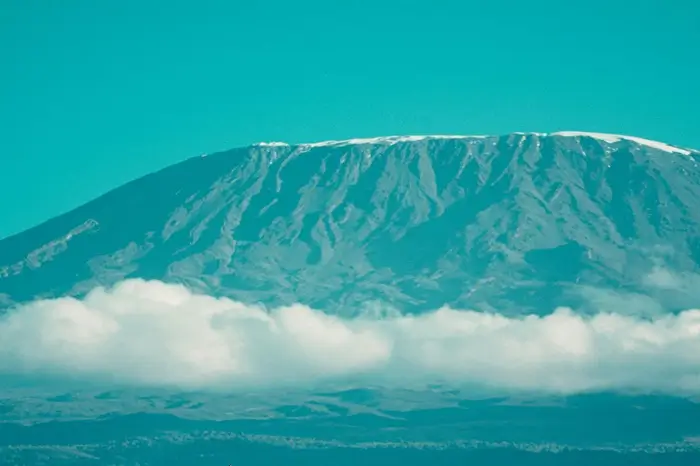
The Lemosho route is widely regarded as the most scenic trail on Kilimanjaro, offering breathtaking panoramic views from multiple sides of the mountain. As one of the newer routes, it provides an excellent climbing experience and is our preferred choice thanks to its combination of low crowds, stunning landscapes, and high summit success rates. At Almighty Kilimanjaro, we specialize in guiding climbers along the Lemosho route, and most of our clients choose this trail, consistently reporting an unforgettable experience. For these reasons, Lemosho comes highly recommended.
Approaching Kilimanjaro from the west, the route begins with a scenic drive from Moshi to Londorossi Gate. The first two days involve trekking through lush rainforest to reach Shira Ridge. From there, the trail crosses the Shira Plateau from west to east on a relatively flat and enjoyable path. The route remains quiet until it merges with the Machame route near Lava Tower, then continues beneath Kilimanjaro’s Southern Ice Field along the Southern Circuit before summiting from Barafu. The descent follows the Mweka route.
Upon arrival at Kilimanjaro International Airport, you will be greeted and transferred to Salinero B&B for overnight accommodation. Your head guide will meet you for a briefing, gear check, and to assist with renting any equipment you may need.
Elevation: 2389m / 7,838ft → 2785m / 9,137ft
Altitude gained: 396m
A 45-minute drive from Moshi takes you through charming mountain villages to the Kilimanjaro National Park Gate. While waiting for permits, you can observe the lively preparations of trekking crews getting ready for their journeys. As you begin the hike, enjoy the lush rainforest scenery and winding trails, with your guide sharing insights about the local wildlife, flora, and fauna. At these lower elevations, the paths can be wet and slippery, so using gaiters and trekking poles is strongly recommended.
Elevation: 2785m / 9,137ft → 3504m / 11,496ft
Altitude Gained: 719m
After a restful night and a nourishing breakfast, we leave the rainforest behind and follow a steadily ascending trail. The path opens up to expansive views as we approach the rim of the Shira Plateau, where temperatures start to cool.
Elevation: 3504m / 11,496ft → 3895m / 12,779ft
Altitude gained: 391m
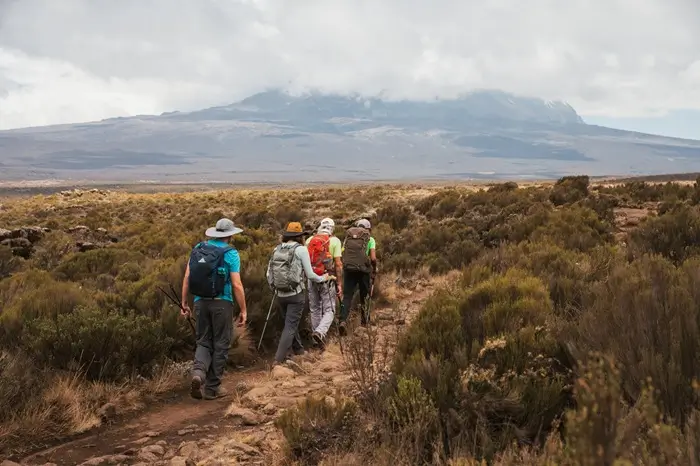
We spend a full day exploring the Shira Plateau. The trek is a gentle eastward walk toward Kibo’s glaciated summit, crossing the plateau to reach Shira 2 Camp, nestled on moorland meadows beside a stream. From there, we continue to Moir Hut, a rarely visited site at the base of Lent Hills. Lent Hills offers several walking options, making it an ideal spot for acclimatization. Shira Plateau ranks among the highest plateaus in the world.
Elevation: 3895m / 12,779ft → 3986m / 13,077ft
Altitude gained: 91m
Although the day ends at nearly the same elevation as it began, it plays a crucial role in acclimatisation. From the Shira Plateau, the trail heads east along a ridge, passing the junction toward Kibo Peak. We then proceed southeast toward the Lava Tower, also known as the “Shark’s Tooth” (elevation 4650m / 15,250ft). Shortly beyond the tower, a second junction leads to the Arrow Glacier. From there, the path descends to Barranco Camp, where we spend the night.
Elevation: 3986m / 13,077ft → 4034m / 13,235ft
Altitude Gained: 48m
After breakfast, the trail climbs a steep ridge leading to the thrilling Barranco Wall, then descends into the Karanga Valley at the junction that links with the Mweka Trail. This day showcases the skill, strength, and agility of your crew as they navigate the wall with seeming ease. Overnight stay at Karanga Camp.
Elevation: 4034m / 13,235ft → 4662m / 15,295ft
Altitude gained: 628m
The trek continues upward toward Barafu Camp. Upon arrival, you will have completed the South Circuit, which provides stunning summit views from multiple perspectives. Enjoy an early dinner and rest as we gear up for the summit night. Overnight stay at Barafu Camp.
Elevation: 4662m / 15,295ft → 5895m / 19,341ft
Altitude gained: 1233m
Descent to: 3106m / 10,190ft
Altitude lost: 2789m
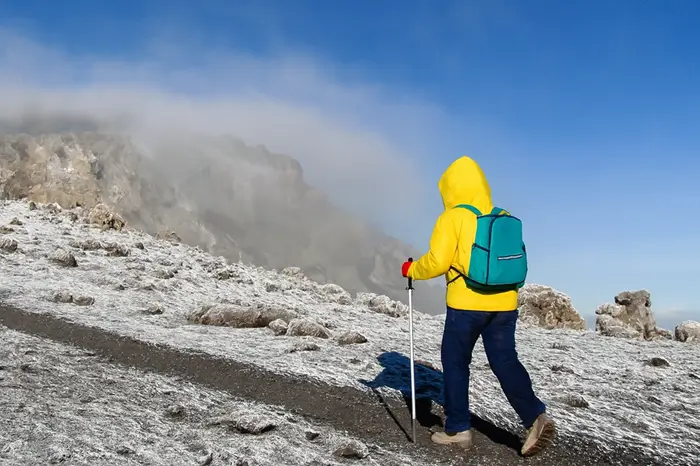
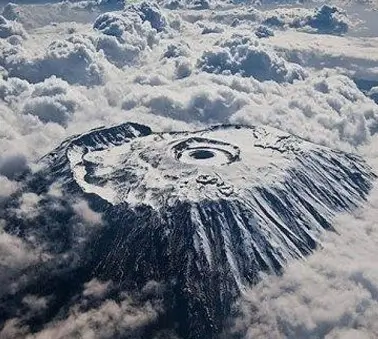
The day begins with an early start between midnight and 2 a.m., marking the most mentally and physically demanding part of the trek. We make our way toward the summit, navigating between the Rebmann and Ratzel glaciers, keeping warm and focused on the incredible sense of achievement ahead. Following a northwest switchback path, we ascend through loose scree toward Stella Point on the crater rim, where a short break rewards you with a breathtaking sunrise. Faster climbers may even catch the sunrise from the summit. From Stella Point, the final hour to Uhuru Peak involves trekking through snow in the higher elevations.
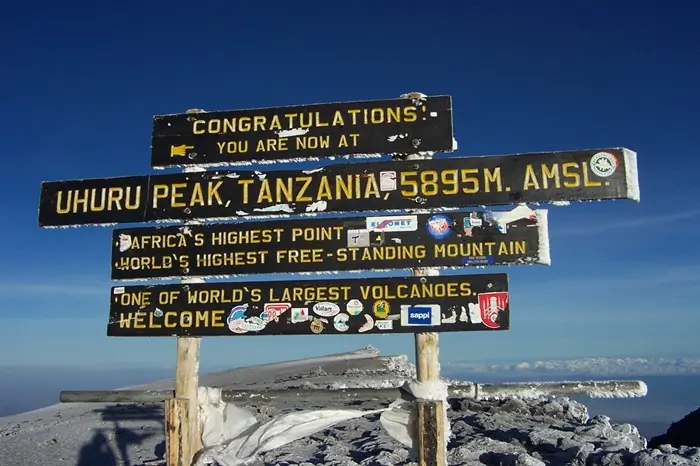
Step by step, you reach Uhuru Peak, the highest point on Mount Kilimanjaro and the entire African continent! After photos, celebrations, and perhaps a few tears of joy, we savor the moment before beginning the steep descent to Mweka Camp. We pause briefly at Barafu for lunch and rest. Due to loose gravel and volcanic ash, gaiters and trekking poles are highly recommended. A well-earned evening of rest awaits at Mweka Camp, marking the final night on the mountain.

Elevation: 3106m / 10,190ft → 1633m / 5,358ft
Total Descent: 1473m
After breakfast and a heartfelt ceremony celebrating your achievement with the trekking team, it’s time to bid farewell. The descent continues toward Mweka Park Gate, where you’ll receive your summit certificates. With significantly warmer weather, the trail can be wet, muddy, and steep, so using gaiters and trekking poles is strongly recommended.
A vehicle will be waiting at Mweka village to transfer you back to your hotel in Moshi, approximately a 30-minute drive.
Pick-up and drop-off at Kilimanjaro International Airport
Transfer to the trailhead - entry gate to Kilimanjaro National Park
Pick-up at the exit from Kilimanjaro National Park and transfer to the hotel
All park fees collected by the Kilimanjaro National Park ( conservation fees, camping fees, crew fees, vehicle fee, rescue fee and all other fees collected by the Tanzania National Parks Authority).
One night at Salinero hotel before the expedition and one night after; The hotels have everything for your comfortable stay - caring staff, nice rooms, reliable Wi-Fi, restaurant); Tented accommodation on Mount Kilimanjaro (modern, comfortable 4-Season tents North Face VE-25 or Almighty Kilimanjaro Tents).
Breakfast in the hotel before and after the hike
All meals on the hike. Our Kilimanjaro diet includes energy-rich and highly nutritious meals prepared by our professional high-altitude cooks. A typical diet on Kilimanjaro includes different soups, garnishes, several types of fish and meat, fresh fruit and vegetables; vegetarian/gluten-free/halal options are available at no extra cost; All drinks on the hike (coffee, tea, hot chocolate and water).
4-inch (10-cm) thick and comfortable sleeping mats
All group equipment (spacious and comfortable dining tent, camping table and chairs, crockery and cutlery)
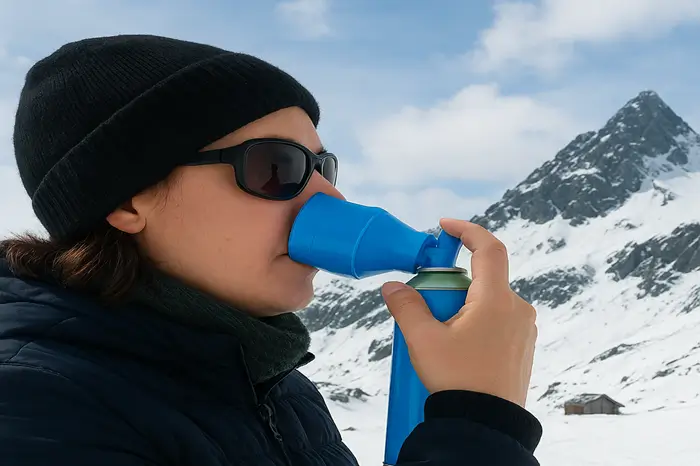
Oxygen cylinders and oximeters
GPS-tracking service
Complete medical kits
Professional guides, licensed by Kilimanjaro National Park. All our guides are the holder of Wilderness First Responder or Wilderness First Aid certifications. All our guides have 10+years of successful mountaineering experience.
Dedicated support crew (assistant guides, camp master, porters, cooks, etc.)
Airline tickets
Visa fee
Personal gear rentals
Tips for the mountain crew
Mountaineering insurance
The best time to climb Mount Kilimanjaro is during the two trekking seasons: January to March and June to October. These periods offer favorable conditions for a safe and enjoyable climb.
The percentage of oxygen in the atmosphere at sea level is about 21%. Before planning your Mount Kilimanjaro Trip, it is crucial to explore the cost of climbing Kilimanjaro.
For high-altitude treks like Kilimanjaro, proper nutrition is crucial for maintaining energy levels and ensuring a successful climb. You will need nutritious foods to gain proper energy.