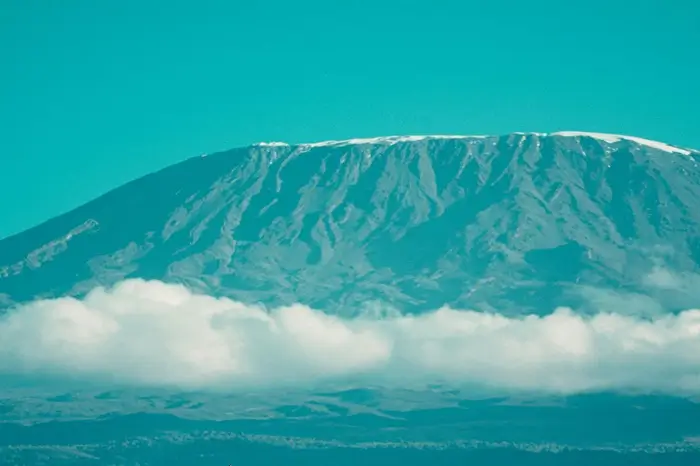
Rising almost 6,000 meters (about 19,700 feet) above the surrounding rainforests and savannas, Mount Kilimanjaro is Africa’s tallest mountain and one of the most prominent peaks in the world. Standing at 19,341 feet, it dominates the landscape with a summit famously covered in snow and ice—an unusual sight for a mountain located in Africa.
Locally referred to as Uhuru Peak, meaning “freedom” in Swahili, Kilimanjaro is made up of three volcanic cones: Kibo, Mawenzi, and Shira. The mountain rises near Tanzania’s border with Kenya, close to the East African Rift. A trek up Kilimanjaro takes climbers through five distinct ecological zones. The journey begins in lush tropical rainforest filled with birds and wildlife such as the black-and-white colobus monkey. From there, the trail moves through open savannas and alpine moorlands, where the landscape starts to resemble a rugged, moon-like terrain dotted with giant lobelias and other hardy plants. Higher up, trekkers cross a dry, desert-like zone before reaching the icy slopes and snow-covered summit.
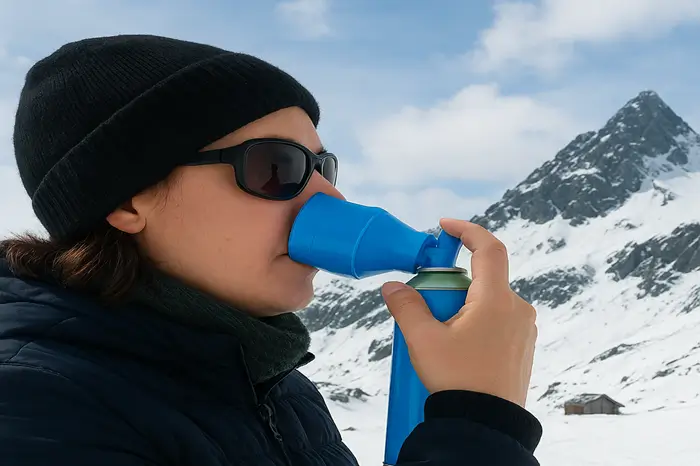
Although Kilimanjaro is a dormant stratovolcano, it is often considered the most accessible of the Seven Summits, as many routes do not require technical climbing skills. Because of this, around 30,000 climbers attempt the mountain every year, making it Africa’s most visited peak. Even so, altitude remains the biggest challenge. With an elevation gain of nearly 5,900 meters from base to summit, proper acclimatization is essential. Many of the roughly 10,500 climbers who don’t reach the top each year turn back due to altitude sickness.
Good physical fitness before starting the trek greatly improves the chances of reaching the summit comfortably and enjoying the experience. Strong cardiovascular endurance also helps the body adjust to the altitude. Choosing the right route is equally important. Kilimanjaro has six main routes to the top: Lemosho Route, Machame Route, Marangu Route, Northern Circuit Route, Rongai Route, and Umbwe Route.
Among them, the Marangu Route is the shortest and is often considered the easiest, although it is steeper and provides less time for acclimatization. The Machame Route, on the other hand, is longer but generally offers better acclimatization opportunities, which many trekkers find helpful.
Most summit attempts begin before dawn, with climbers trekking up steep slopes beside the summit glacier to reach the peak by mid-morning. With proper preparation and the right route choice, the reward is unforgettable—a stunning sunrise over the vast eastern savannah. Trips and guided climbs organized by Peasant Travel aim to make this incredible journey smooth, safe, and memorable for every adventurer.